Why Are Fire Doors So Important?
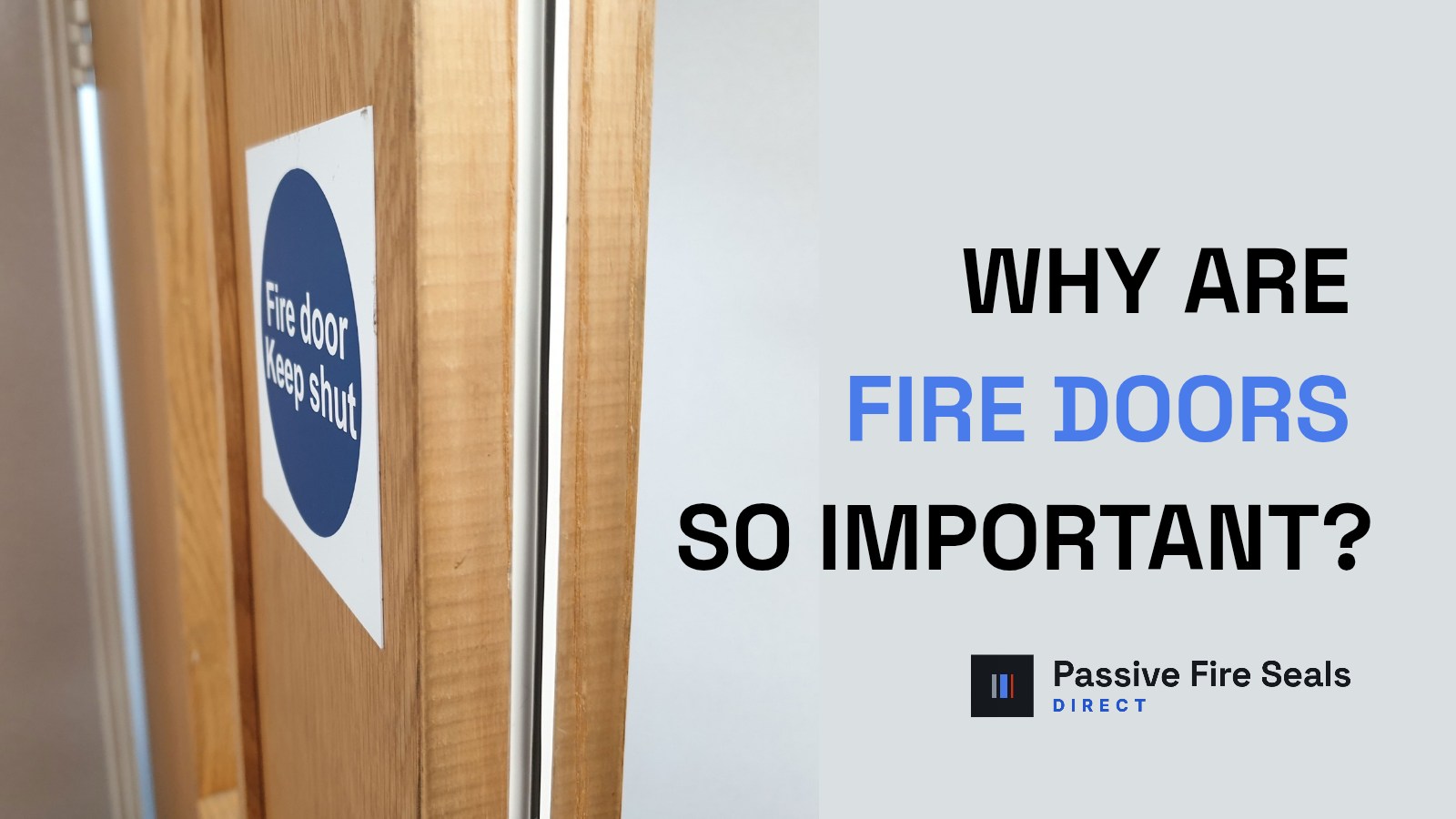
Fire doors are one of the most important passive fire protection measures in a building, yet they're often overlooked. They can look like ordinary doors, but when they’re correctly installed and maintained, they play a vital role in slowing the spread of fire and smoke and helping to protect escape routes. It isn't just about making sure that fire doors are closed though. To understand why they matter, it helps to look at what makes a fire door different from an ordinary door.
What Is a Fire Door?
A fire door is a specially engineered safety barrier designed to prevent the spread of fire and smoke between different compartments of a building. A complete fire door assembly includes:
- The door leaf
- Frame
- Ironmongery
- Automatic closer
- Intumescent seals
Fire doors are rigorously tested against set standards (such as BS 476-22 or BS EN 1634-1) to withstand intense heat for a specific duration, usually 30 (FD30) or 60 (FD60) minutes. Standard internal timber doors can't hold back flames, smoke, or intense heat in a fire.
What Does a Fire Door Actually Do?
A fire door acts as a vital structural defence during a thermal event. When closed, it performs two primary roles:
- It helps to compartmentalise the building, holding back flames, toxic fumes, and intense heat, isolating the fire and helping to prevent it from spreading.
- It protects the primary structural integrity of the escape routes, preventing rapid flashovers and vertical fire spread through stairwells.
How Do Fire Doors Help Protect People?
The main purpose of a fire door is to help save lives. By containing fire and smoke, fire doors create protected escape routes, keeping corridors, lobbies, and stairwells free of toxic smoke and extreme heat, giving whoever is in the building time to get out safely.
Fire doors also help to protect firefighters and first responders by keeping access routes navigable longer, providing crucial time to perform search and rescue operations and suppress the fire.
It's Not Just the Door That Matters
A fire door leaf on its own cannot stop a fire; it must be part of a fully certified fire door assembly. Every component must perform under extreme conditions, including fire door seals, the hinges and ironmongery, self-closing devices, and the frame.
Fire Door Seals
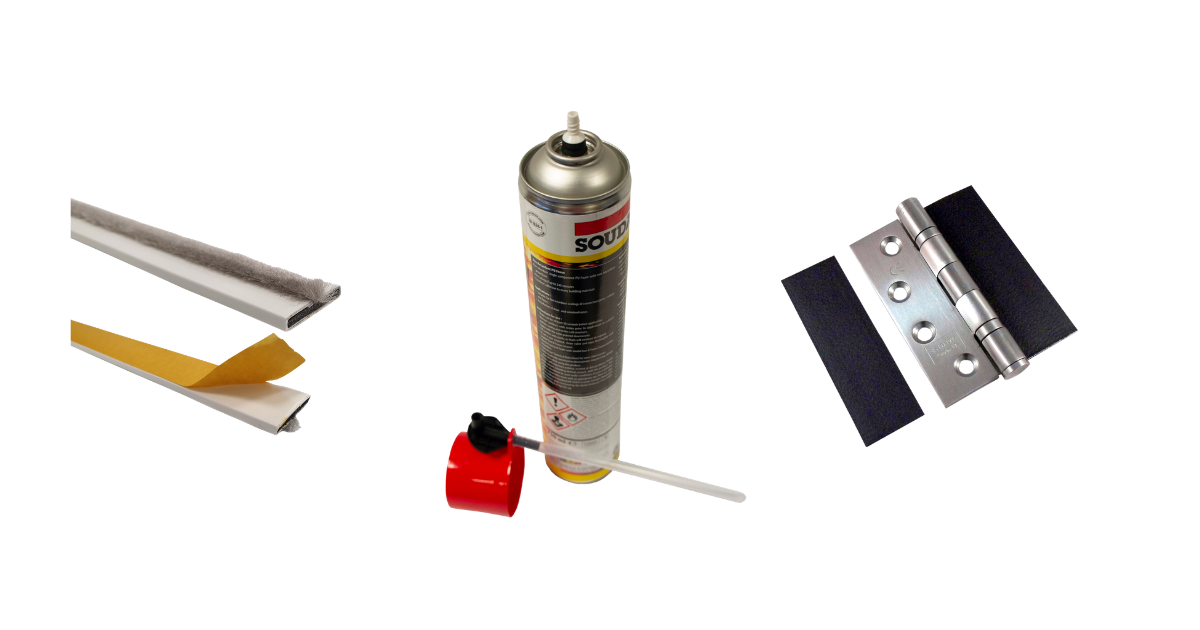
Intumescent seals are strips that expand to many times their original size when exposed to heat, sealing the gap between the door leaf and door frame to block fire. Cold smoke seals (often integrated brushes or fins) prevent the passage of lethal, cooler smoke during the initial stages of a fire before heat can activate the intumescent strip.
Hinges and Ironmongery
Fire door hinges, locks, and handles must carry appropriate fire certification (CE or UKCA marked) and be fitted with dedicated intumescent gaskets. Standard hardware can quickly melt or warp under heat, causing the door leaf to drop, unlatch, or fail prematurely.
Self-Closing Devices
A fire door only works if it is closed – doors that have been propped open can’t protect anything. Controlled door closing devices (overhead closers or floor springs) certified to BS EN 1154 ensure the door reliably returns to a fully latched position from any angle after being opened.
The Door and Frame
The gap between the door leaf and the frame must strictly remain between 2mm and 4mm. The frame itself must be correctly bedded into the surrounding wall using certified fire-resistant expanding foam or mineral wool with fire-rated sealant.
What Happens When a Fire Door Isn't Properly Maintained?
Neglected or damaged fire doors fail catastrophically in real fire conditions. Unmaintained doors can lead to:
- Rapid Smoke Inhalation Risks: Smoke travels faster than flames; missing seals allow toxic carbon monoxide to fill escape corridors within seconds.
- System Collapse: Broken closers or warped frames prevent total enclosure, rendering the door useless.
- Prosecution and Penalties: Failure to maintain fire doors violates the Regulatory Reform (Fire Safety) Order 2005, leading to heavy fines, invalidation of building insurance, or imprisonment for responsible persons.
The video below shows how a poorly maintained, or otherwise compromised door will fail and allow fire to spread.
What Should You Look for When Checking a Fire Door?
Property managers should perform regular visual inspections. Focus on the core components:
- Certification: Ensure fire door labels or colour-coded plug indicators are present on the top or side edge of the leaf.
- Gaps and Seals: Verify that perimeter gaps are under 4mm, bottom gaps are under 8mm (or 3mm for smoke control), and intumescent/smoke seals are continuous and undamaged.
- Closing Mechanism: Test that the self-closer shuts the door smoothly and latches firmly into the frame without sticking on the floor or frame.
- Ironmongery: Check for firm fixings, at least three fire-rated hinges, and smooth operation of latches and handles without missing screws.
Who Is Responsible for Fire Door Safety?
Under the Regulatory Reform (Fire Safety) Order 2005 (and updated Fire Safety Regulations 2022 in England), the responsibility falls on the Responsible Person (RP), who is typically the building owner, landlord, facilities manager, or employer. Duties include:
- Carrying out routine fire risk assessments.
- Conducting quarterly checks on fire doors in common areas of residential buildings over 11 metres.
- Conducting annual checks on flat entrance doors in residential buildings over 11 metres.
Why the Right Fire Door Components Matter
Substituting hardware or seals with non-certified or incompatible alternatives compromises the entire door assembly's fire test certification. Using components that are third-party tested (such as Astroflame, with Certifire or IFC Certification) guarantees that each part operates harmoniously under heat, preserving the required 30- or 60-minute fire resistance rating.
Keeping Fire Doors Fit for Purpose
A fire door is not, and should never be regarded as, a fit-and-forget asset. Environmental factors, heavy daily foot traffic, and normal wear-and-tear mean that components degrade over time. The Responsible Person should establish a regular inspection regime, maintain an up-to-date maintenance logbook, and immediately replace worn seals, damaged hardware, or failing closers using compatible, certified components.
Where Should You Buy Fire Door Components?
When sourcing replacement hardware, intumescent strips, or retrofitting materials, always buy from dedicated specialist suppliers who provide full technical specification data sheets and third-party fire certification. Ensure products meet relevant BS and EN standards so your safety measures remain fully compliant and audit-ready.
Keeping fire doors in good condition starts with using the right components. Explore our range of intumescent seals, fire door hardware and passive fire protection products, or get in touch with our team if you need advice on finding the right product for your application.